Overview
Life Alert is the most recognizable name in medical alert systems, largely thanks to the iconic "I've fallen and I can't get up" television commercials that have been airing since the late 1980s. The company has been in business since 1987 and has undeniable brand recognition among seniors and their families.
But brand recognition and product quality are not the same thing. After a thorough evaluation of Life Alert's pricing, equipment, contract terms, and overall value compared to modern competitors, we rate it 3.2 out of 5 — well below Bay Alarm Medical (4.6), MobileHelp (4.4), and Medical Guardian (4.5).
The core issue is straightforward: Life Alert charges significantly more, locks customers into a 3-year contract, and provides fewer features than competitors who charge less with no contract at all. The brand name carries a premium that the product does not justify.
The Pricing Problem
Life Alert does not publish its pricing. You must call a sales representative to get a quote, which is itself a red flag in an industry where transparent pricing is the norm. Based on consistent reports from customers and industry sources, here is what you can expect.
The basic in-home system starts at approximately $49.95 per month. This covers the base station and a waterproof help button pendant. Mobile GPS protection adds to the monthly cost. Additional services like fire, carbon monoxide, and home intrusion monitoring increase the price further. Total monthly costs with add-ons frequently exceed $70 per month.
For comparison, Bay Alarm Medical's SOS Home — which includes 24/7 monitoring, a waterproof help button, and a 31-second response time — costs $27.95 per month. That is roughly $22 less per month, or $264 per year in savings, for monitoring quality that matches or exceeds what Life Alert provides.
The 3-Year Contract
This is Life Alert's most significant drawback. The company requires a 36-month contract — the longest mandatory commitment in the medical alert industry. Every major competitor offers month-to-month billing with no contract.
A 3-year contract is problematic for several reasons. A senior's needs change. They may move to assisted living, move in with family, or simply decide the system is not right for them. With Bay Alarm Medical, Medical Guardian, LifeFone, or MobileHelp, they cancel any time with no penalty. With Life Alert, they are locked in for three years.
At approximately $49.95 per month over 36 months, the total contract value is roughly $1,800. With add-ons, it could exceed $2,500. That is a substantial commitment for a service that competitors provide for half the price or less.
Cancellation requires written notice and adherence to specific procedures. Customer complaints frequently cite difficulty canceling, including reports of continued billing after cancellation requests. If the subscriber passes away during the contract, families have reported challenges in ending the service.
Equipment
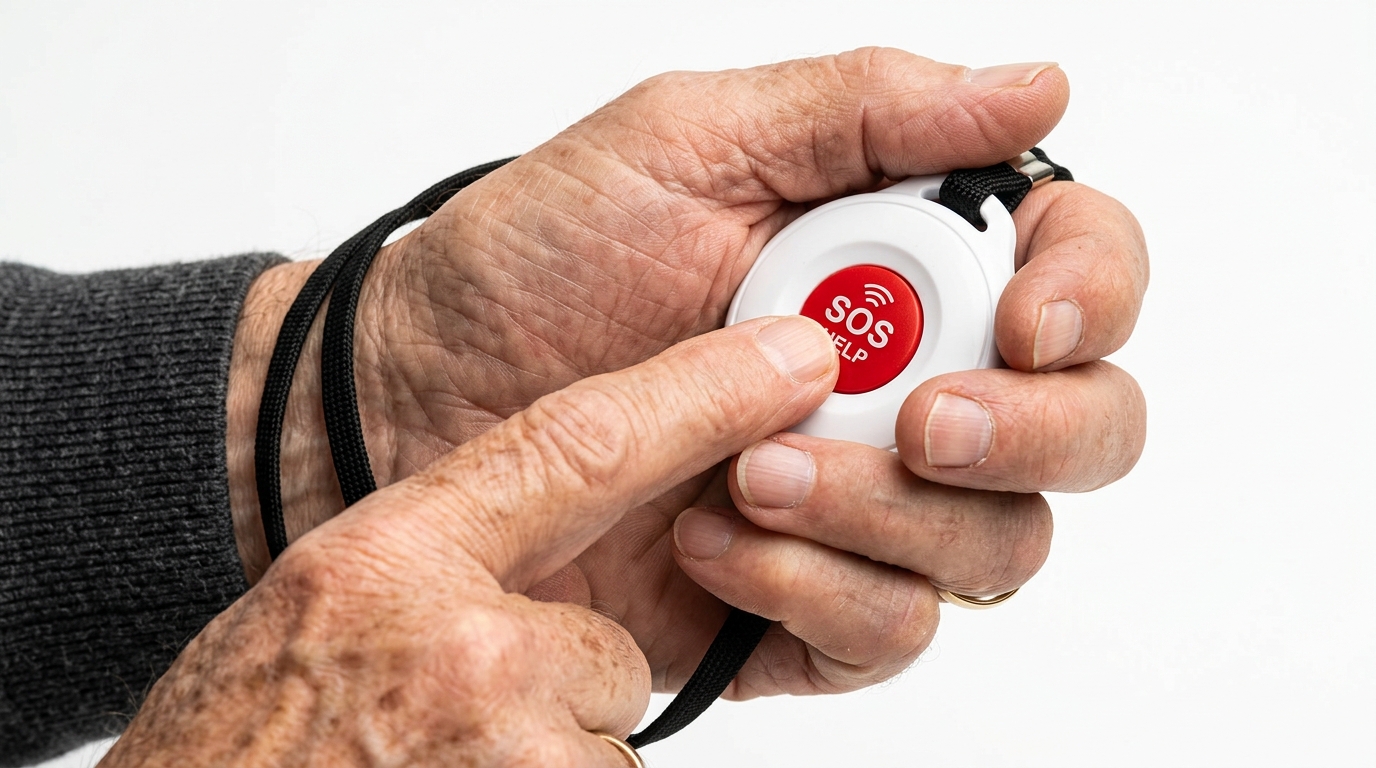
Life Alert's equipment is functional but dated compared to modern competitors. The system includes an in-home base station that connects via landline or cellular, a waterproof help button pendant, and optional add-ons for mobile GPS, fire detection, and carbon monoxide monitoring.
The base station and pendant perform their core function reliably. Two-way voice communication works through the base station, and the pendant has a range of several hundred feet from the unit.
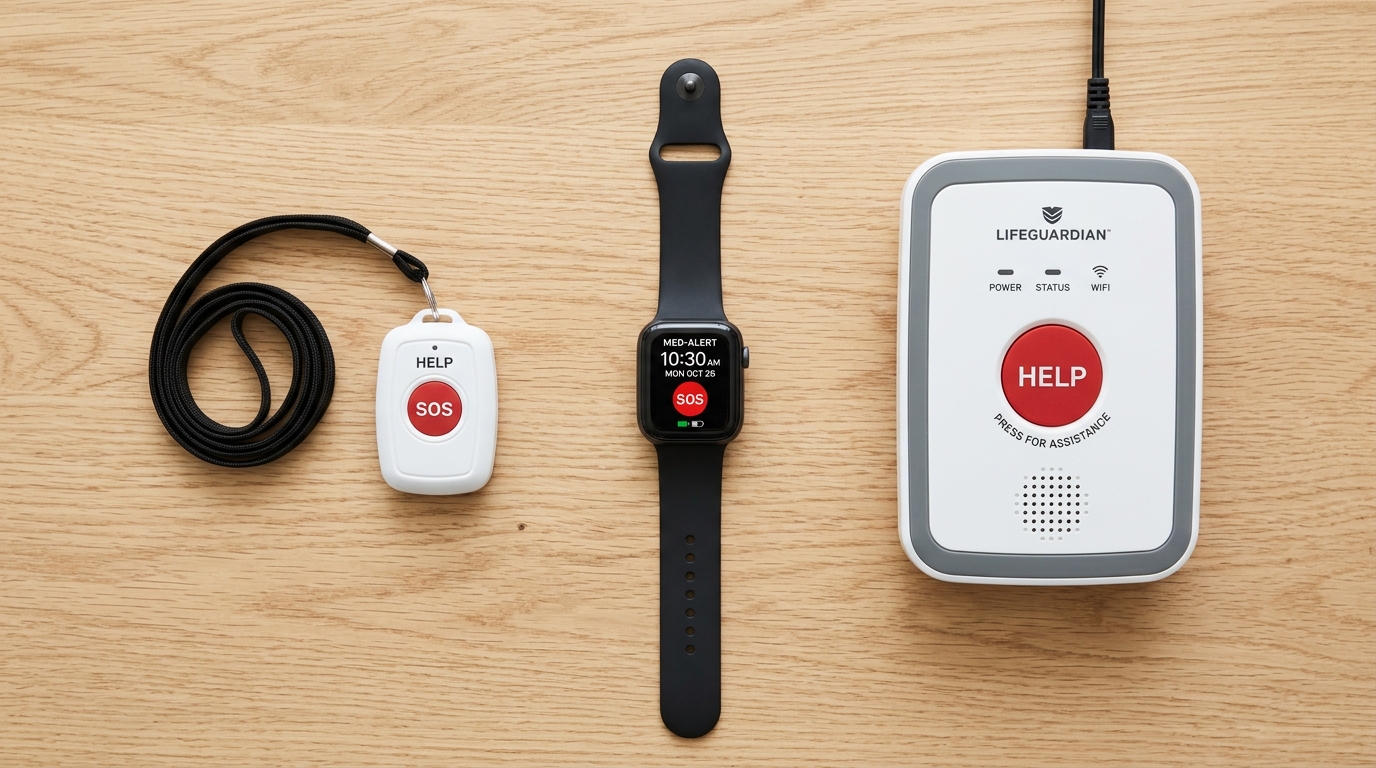
What Life Alert does not offer is telling. There is no smartwatch option, no modern caregiver app with GPS tracking and geofencing, no sleek mobile GPS device with multi-day battery life, and no equipment innovation that would distinguish it from what was available a decade ago. Companies like Bay Alarm Medical (SOS Smartwatch), Medical Guardian (MyGuardian app), and MobileHelp (Samsung smartwatch partnership) have all invested heavily in modernizing the medical alert experience. Life Alert has not kept pace.
Response Time and Monitoring
Life Alert operates its own in-house monitoring center, which is UL-listed. The company claims fast response times, though it does not publish a specific average like Bay Alarm Medical's 31 seconds. Based on available data and customer reports, response times appear to be in the standard range of 30 to 60 seconds.
The monitoring center handles medical emergencies, and with optional add-ons, also monitors for fire, carbon monoxide, and home intrusions. The multi-threat monitoring is a genuine differentiator — most medical alert companies focus exclusively on personal emergencies. If having fire and CO monitoring integrated with the medical alert is important, Life Alert offers that in a single package.
However, for medical emergency response specifically, we have not found evidence that Life Alert's monitoring is faster or more effective than Bay Alarm Medical, Medical Guardian, or other top-tier competitors.

Fall Detection
Life Alert offers automatic fall detection, though details about the technology, pricing, and availability on specific devices are not prominently disclosed. The company's marketing emphasizes the fall detection capability, but the lack of published specifications makes it difficult to compare against competitors who are transparent about detection rates, compatible devices, and pricing.
Bay Alarm Medical, Medical Guardian, and LifeFone all provide detailed information about their fall detection hardware, pricing ($5-$10 per month), and which devices support the feature. Life Alert's opacity on this topic is another area where the company falls behind industry norms.

Customer Service and Complaints
Life Alert has a mixed reputation for customer service. The company holds an A+ rating with the Better Business Bureau, which reflects its responsiveness to formal complaints. However, consumer review sites show recurring themes in negative feedback.
The most frequent complaints involve difficulty canceling the service, especially after a subscriber's death. Aggressive sales tactics during the initial phone call, with high-pressure upselling. Lack of pricing transparency — customers report feeling surprised by the final cost. Contract terms that were not clearly explained at the time of purchase. And equipment return requirements with associated fees.
These are not isolated incidents. The pattern of complaints around cancellation and pricing transparency is consistent across multiple review platforms.
Who Life Alert Is For
Despite its drawbacks, Life Alert may be appropriate in a narrow set of circumstances. It could make sense for seniors who specifically want combined medical alert, fire, and CO monitoring in one system, families who are comfortable with the 3-year commitment and higher price, and customers who value Life Alert's brand familiarity and are not price-sensitive.
For everyone else — which is the vast majority of families shopping for a medical alert system — there are better options at lower prices with more flexibility.
Better Alternatives
If you are considering Life Alert, we strongly recommend evaluating these alternatives first.
Bay Alarm Medical ($27.95-$39.95/month, no contract) offers the fastest response time in the industry, a modern smartwatch option, and savings of $22 or more per month compared to Life Alert. Our top overall recommendation.
Medical Guardian ($38.95-$46.95/month, no contract) provides the best caregiver app with GPS tracking and geofencing, four device options, and significantly more flexibility than Life Alert.
MobileHelp ($19.95-$41.95/month, no contract) delivers the industry's lowest starting price and longest battery life on its mobile device. At $19.95 per month, it costs less than half of Life Alert's basic plan.
LifeFone ($24.95-$49.95/month, no contract) includes free spouse coverage and fall detection on its most popular plan. For couples, it is dramatically cheaper than two Life Alert subscriptions.
The Bottom Line
Life Alert built the medical alert industry's most famous brand. But in 2026, the product behind that brand does not justify its premium. The mandatory 3-year contract, above-market pricing, lack of modern features, and opacity around costs and cancellation put Life Alert well behind competitors who offer more for less.
We rate Life Alert 3.2 out of 5. The monitoring center is competent and the multi-threat coverage is a real differentiator, but these strengths do not overcome the pricing, contract, and transparency issues. For most families, Bay Alarm Medical, Medical Guardian, MobileHelp, or LifeFone will deliver a better experience at a lower cost with no strings attached.