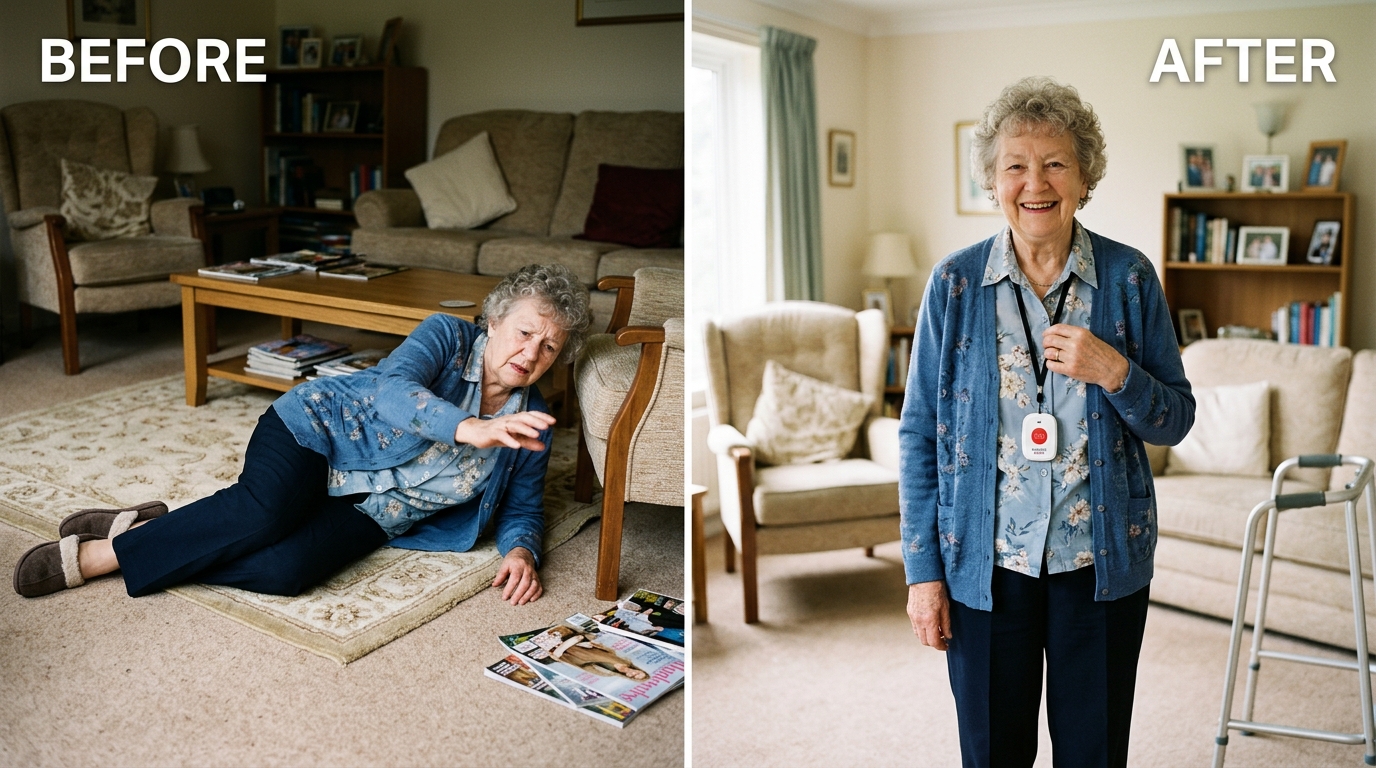
Why Fall Prevention Matters
Every year, more than one in four Americans over 65 falls. Falls are the leading cause of injury-related death among older adults and the most common reason for emergency department visits in this age group. The numbers from the Centers for Disease Control and Prevention are sobering: about 36 million falls occur each year, resulting in approximately 32,000 deaths and over 3 million emergency room visits.
But here is the number that matters most — the CDC estimates that evidence-based prevention programs reduce fall rates by 20 to 30 percent. Falls are not an inevitable part of aging. Many are preventable with straightforward changes to the home environment, physical activity, medication management, and awareness.
This guide covers twelve evidence-based strategies for reducing fall risk. Some cost nothing. Others require modest investments. All of them work.
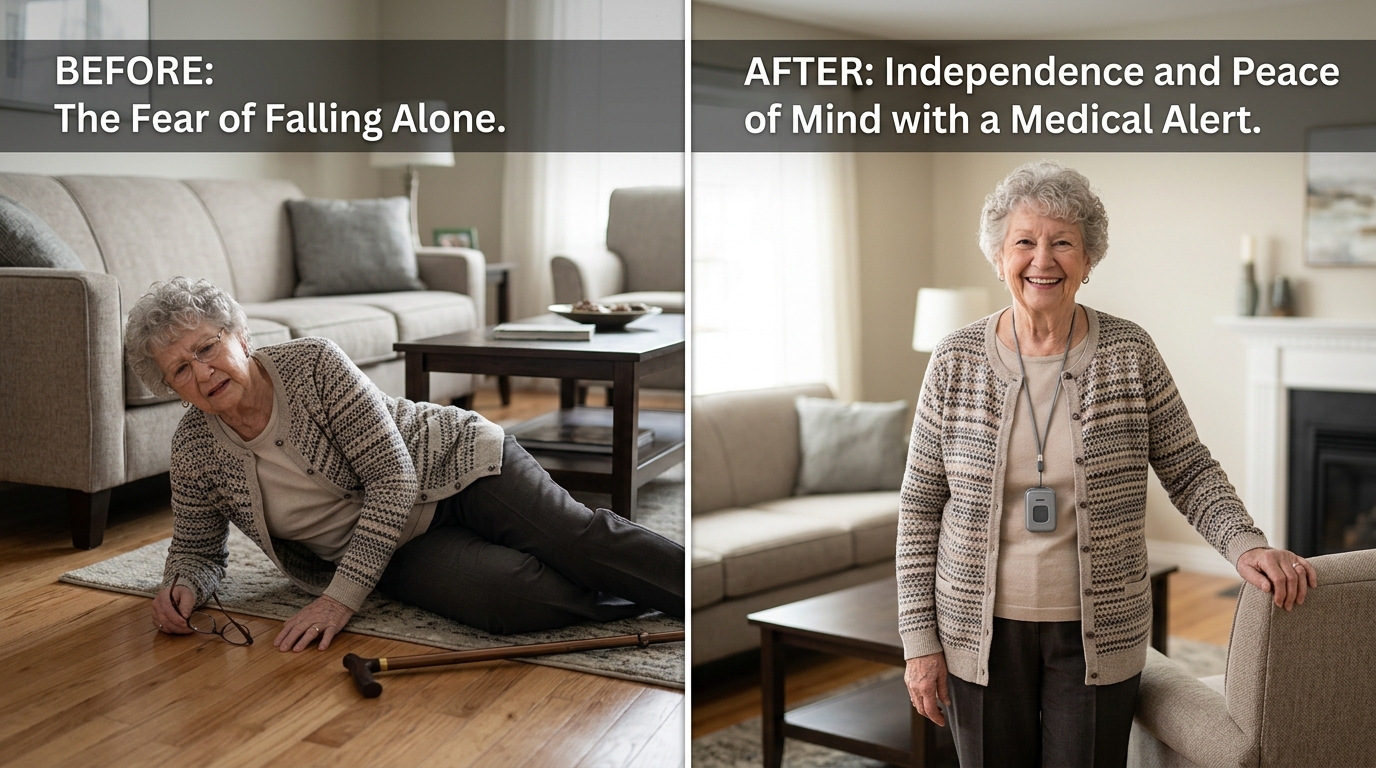
Home Modifications
The home is where most falls happen, and the home is where the simplest changes can have the biggest impact.
1. Eliminate Tripping Hazards
Walk through every room and identify anything on the floor that could catch a foot or cause a stumble. Common culprits include loose rugs and mats without non-slip backing, electrical cords and extension cables crossing walkways, clutter on floors and stairs, pet toys and bowls in high-traffic areas, and low furniture that is hard to see.
Remove or secure everything you find. Tape down cords along walls. Replace loose rugs with non-slip alternatives or remove them entirely. Keep walkways completely clear, especially paths to the bathroom, bedroom, and kitchen.
2. Improve Lighting
Poor lighting is one of the most underestimated fall risk factors. Older eyes need significantly more light to see clearly, and the transition from bright to dim areas causes momentary vision issues.
Install bright, even lighting in all rooms and hallways. Add nightlights along the path from the bedroom to the bathroom — this is the route where most nighttime falls occur. Use rocker-style light switches that are easy to find in the dark. Consider motion-activated lights in closets, hallways, and the garage. Replace any burnt-out bulbs immediately.
3. Make the Bathroom Safer
The bathroom is the most dangerous room in the house for seniors. Wet, slippery surfaces combined with hard fixtures create an environment where falls are both more likely and more injurious.
Install grab bars next to the toilet and inside the shower or tub — these should be anchored to wall studs, not attached with suction cups. Use non-slip mats or adhesive strips inside the tub and shower. Consider a shower chair or transfer bench for seniors who have trouble standing during bathing. Install a hand-held shower head so bathing can be done while seated. Ensure the bathroom floor mat has a non-slip rubber backing.
4. Modify Stairs
Stairs are the second most common fall location after the bathroom. Both indoor and outdoor stairs deserve attention.
Install sturdy handrails on both sides of every staircase. Ensure handrails extend the full length of the stairs and are firmly anchored. Add non-slip strips to each step, especially on outdoor wooden or concrete stairs. Improve stair lighting — the top and bottom of each staircase should be well-lit. If carpet on stairs is loose or worn, secure or replace it. Consider a stair lift if climbing stairs is a daily struggle.
Physical Activity
Exercise is the single most effective fall prevention strategy. Regular physical activity improves strength, balance, flexibility, and confidence — all of which directly reduce fall risk.
5. Practice Balance Exercises
The CDC and the National Institute on Aging recommend balance exercises as a primary fall prevention intervention. Effective balance exercises include tai chi, which multiple studies have shown reduces fall risk by up to 50 percent in regular practitioners. Standing on one foot (hold a counter for support at first), heel-to-toe walking in a straight line, standing up from a seated position without using hands, and side leg raises while holding a counter for support.
Aim for balance exercises at least three times per week. Classes are ideal because an instructor can correct form and provide social motivation, but home exercises work too.
6. Build Leg Strength
Weak legs are one of the strongest predictors of fall risk. Strength training does not require a gym. Effective home exercises include chair squats (sitting down and standing up from a sturdy chair without armrests), calf raises while holding a counter, step-ups on a low step, leg lifts while sitting in a chair, and wall push-ups for upper body stability.
Start slowly, especially if your loved one has not been active. Even two sessions per week of 15 to 20 minutes can produce measurable strength improvements within a few weeks.
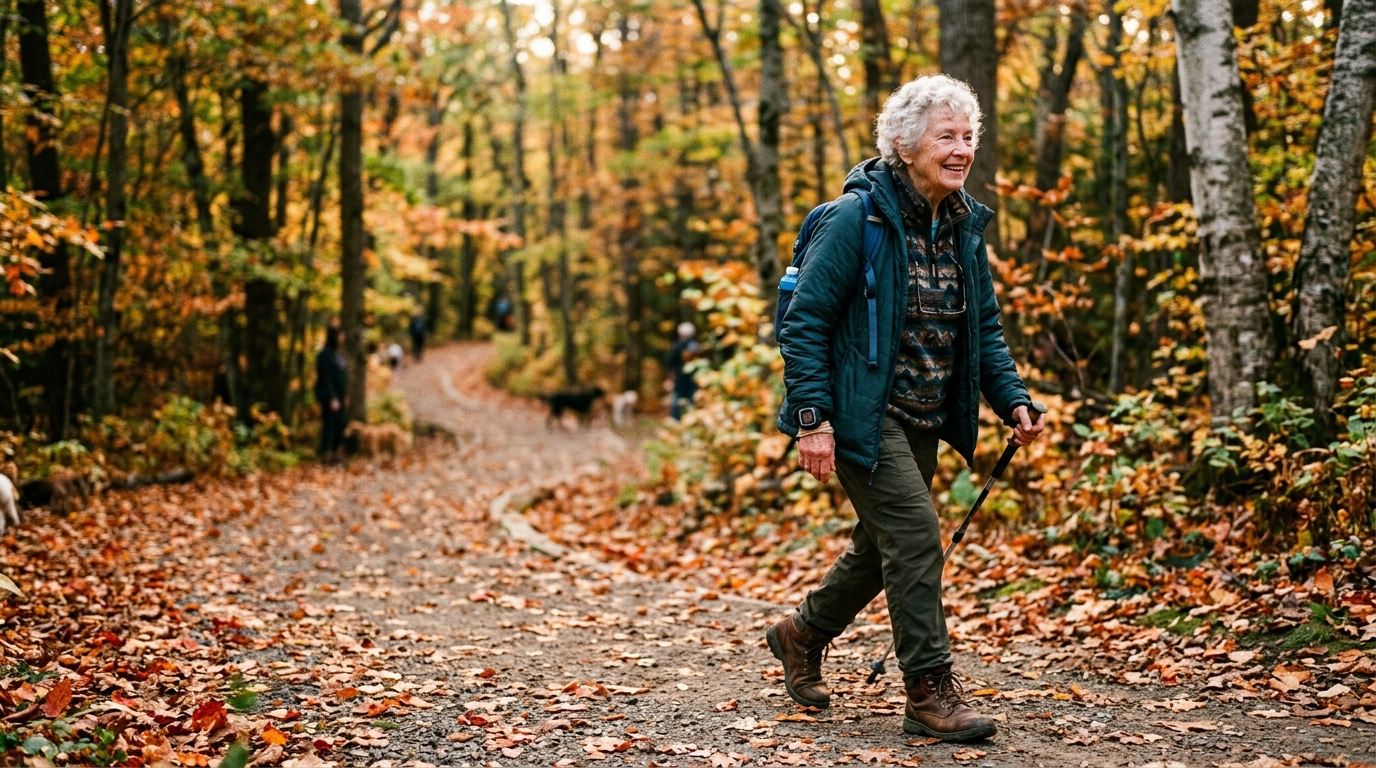
7. Walk Regularly
Walking is the most accessible exercise for seniors. Regular walking maintains cardiovascular fitness, leg strength, and balance. It also builds familiarity with the walking environment, which reduces trip risk.
Start with short walks on flat, even surfaces. Gradually increase distance and introduce varied terrain. Walking with a companion is safer and more motivating. Proper footwear — supportive, non-slip sole, well-fitting — matters more than people realize.
Medical Factors
Several medical and pharmaceutical factors directly affect fall risk. Addressing them requires working with healthcare providers.
8. Review Medications
Medication side effects are a leading cause of falls in older adults. The classes of drugs most commonly associated with increased fall risk include sedatives and sleep aids, blood pressure medications that cause dizziness when standing, antidepressants and anti-anxiety medications, antihistamines that cause drowsiness, and pain medications including opioids.
The risk increases significantly when a person takes four or more medications — a situation called polypharmacy that is common among older adults.
Schedule a medication review with the primary care physician or a pharmacist. Ask specifically about each medication's effect on balance, dizziness, and drowsiness. In some cases, dosages can be adjusted or medications can be changed to reduce fall risk without sacrificing treatment effectiveness.
9. Get Vision Checked Annually
Vision deteriorates gradually, and many older adults do not realize how much their sight has declined. Poor depth perception, reduced peripheral vision, and difficulty adjusting to light changes all increase fall risk.
Annual eye exams can catch problems early. Updated prescriptions ensure the clearest possible vision. If your loved one wears bifocals, they should be particularly careful on stairs — the lower reading portion of the lens can distort depth perception when looking down.
10. Address Foot Problems
Foot pain, numbness, and ill-fitting footwear are surprisingly significant contributors to falls. Bunions, corns, neuropathy, and other foot conditions change how a person walks and affect balance.
See a podiatrist for persistent foot problems. Wear shoes with low heels, non-slip soles, and firm support — avoid walking in socks, slippers without backs, or worn-out shoes. Properly fitted footwear is one of the simplest and most effective fall prevention measures.
Awareness and Technology
11. Know the Risk Factors
Awareness alone reduces risk. Seniors and their families should understand that fall risk increases after age 65 and rises sharply after 75, a previous fall doubles the risk of a future fall, muscle weakness and balance problems are addressable through exercise, fear of falling itself increases fall risk by causing reduced activity and muscle loss, and dehydration, illness, and fatigue temporarily increase fall risk.
Having an honest conversation about risk factors helps families plan proactively rather than reactively.
12. Use a Medical Alert System
A medical alert system does not prevent falls, but it is the most important safety net for when prevention fails. Knowing that help is always one button press away — even if a fall causes disorientation or the inability to reach a phone — provides practical safety and psychological reassurance.
For seniors with fall risk factors, a system with automatic fall detection is particularly valuable. If the wearer is unconscious or unable to press the button, the device detects the fall and calls the monitoring center automatically.
Systems with fall detection we recommend include Bay Alarm Medical ($34.95-$39.95/month + $10 fall detection) for the fastest response time, Medical Guardian ($38.95-$46.95/month + $10 fall detection) for the best caregiver app, and LifeFone ($39.95/month with fall detection included) for the best value, especially for couples.
Creating a Fall Prevention Plan
The most effective approach combines multiple strategies. A practical starting plan looks like this.
This week: Walk through the home and remove tripping hazards. Install nightlights on the bedroom-to-bathroom path. Check that all stair handrails are secure.
This month: Schedule a medication review with the doctor. Get an eye exam if it has been over a year. Install grab bars in the bathroom.
Ongoing: Start a balance exercise routine three times per week. Walk regularly. Wear proper footwear. Stay hydrated.
As a safety net: Get a medical alert system with fall detection. It costs less than a dollar a day and ensures that when a fall does happen — because prevention reduces risk but does not eliminate it — help arrives quickly.
The Bottom Line
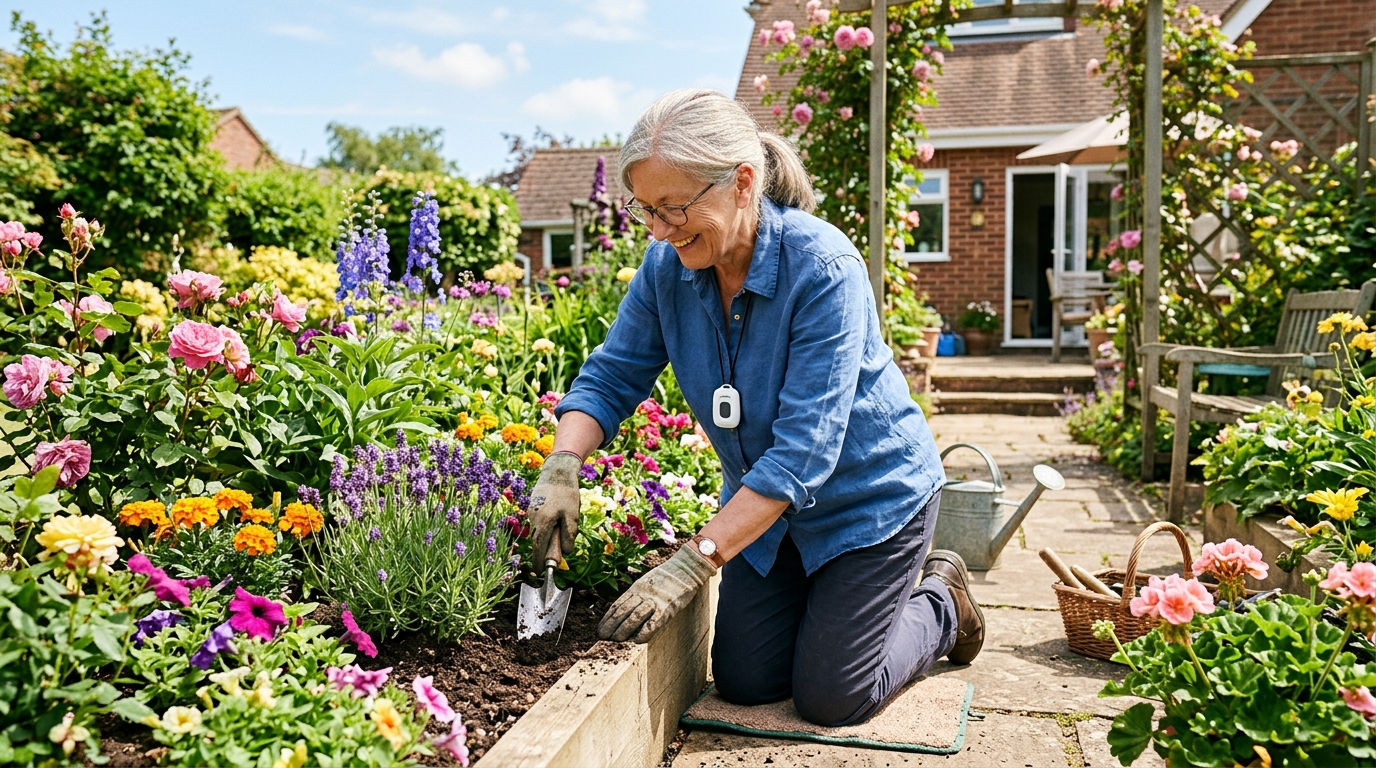
Falls are the single greatest injury threat facing older Americans, but they are not inevitable. Simple home modifications, regular exercise, medication awareness, and proper footwear can reduce fall risk by 20 to 30 percent or more. And for the falls that prevention cannot stop, a medical alert system ensures that help is never more than seconds away.
Start with one change today. Remove a rug, install a nightlight, or schedule a doctor's visit. Every step you take to reduce fall risk is a step toward keeping your loved one safe and independent.