Why This Conversation Is So Hard
If you are reading this, you have probably already tried. Maybe you mentioned it casually over dinner and got shut down. Maybe you had a serious sit-down conversation and it ended in an argument. Maybe you have not brought it up yet because you dread the reaction.
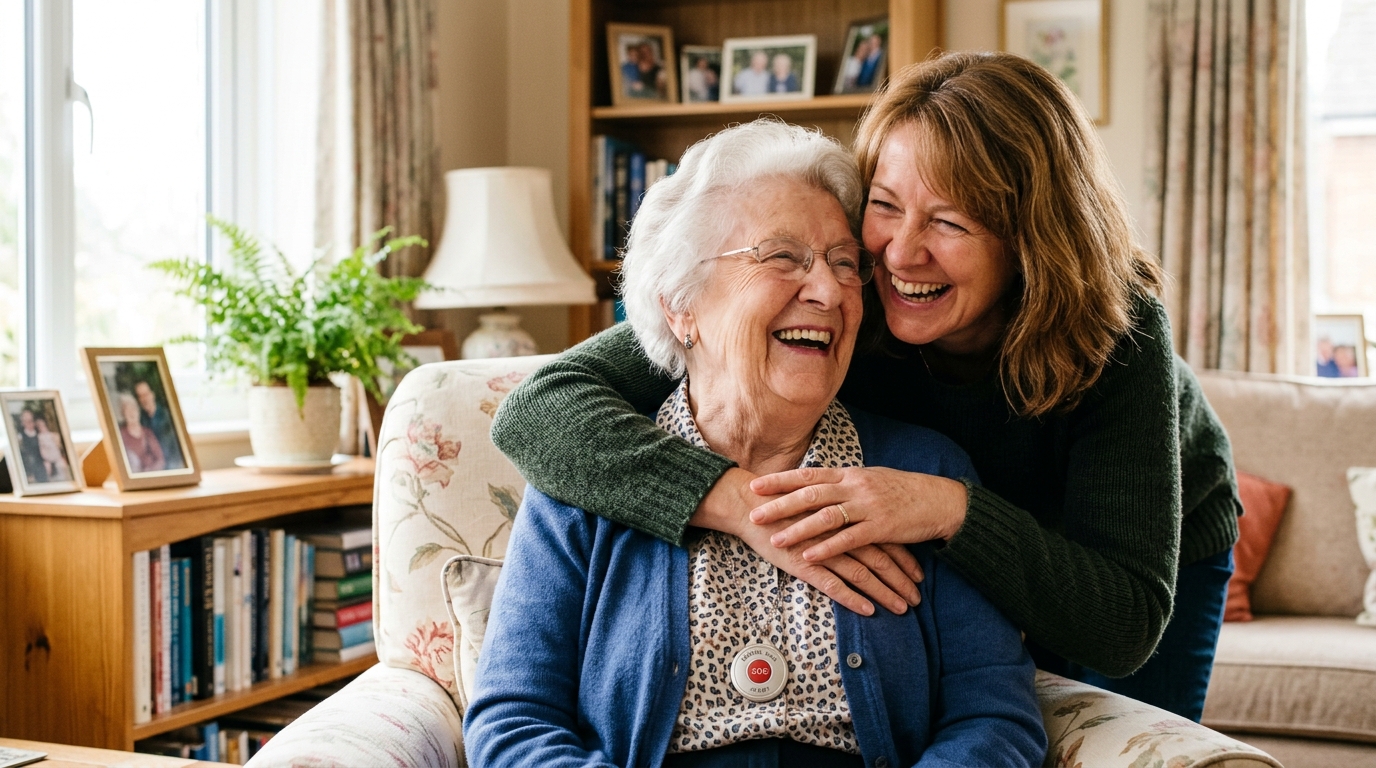
You are not alone. Resistance to medical alert systems is one of the most common challenges adult children face when caring for aging parents. The resistance is real, it is emotional, and it makes sense when you understand what it is really about.
Your parent is not saying no to a device. They are saying no to what the device represents: a loss of independence, an acknowledgment of vulnerability, an admission that the body they have relied on for decades can no longer be trusted. For someone who has spent a lifetime being capable and self-sufficient, wearing a medical alert feels like surrendering that identity.
Understanding this is the first step to having a conversation that actually works.
What Not to Say
Before covering what works, here is what does not work — and why.
"Mom, you're getting older and I'm worried about you." This makes them feel like a problem to be solved. Even if the concern is loving, the framing is about their decline.
"What if you fall and nobody is there?" Fear-based arguments often trigger defensiveness. They hear: "You are fragile and helpless." That is the opposite of how they see themselves.
"Dad, you need to wear this." The word "need" implies they cannot manage on their own. It also positions you as the authority, which reverses the parent-child dynamic in a way that feels uncomfortable for both parties.
"Everyone your age should have one." Grouping them with "people their age" reinforces the age-based identity they are resisting.
Presenting it as a surprise or fait accompli. Ordering a system without asking and saying "here, I got this for you" removes their agency. Even if they eventually agree, starting with a unilateral decision creates resentment.
What Actually Works
1. Make It About You, Not Them
The single most effective approach is to shift the conversation from their safety to your peace of mind.
"Mom, I've been losing sleep worrying about you living alone. Would you be willing to wear this for me? It would help me relax and stop calling you five times a day."
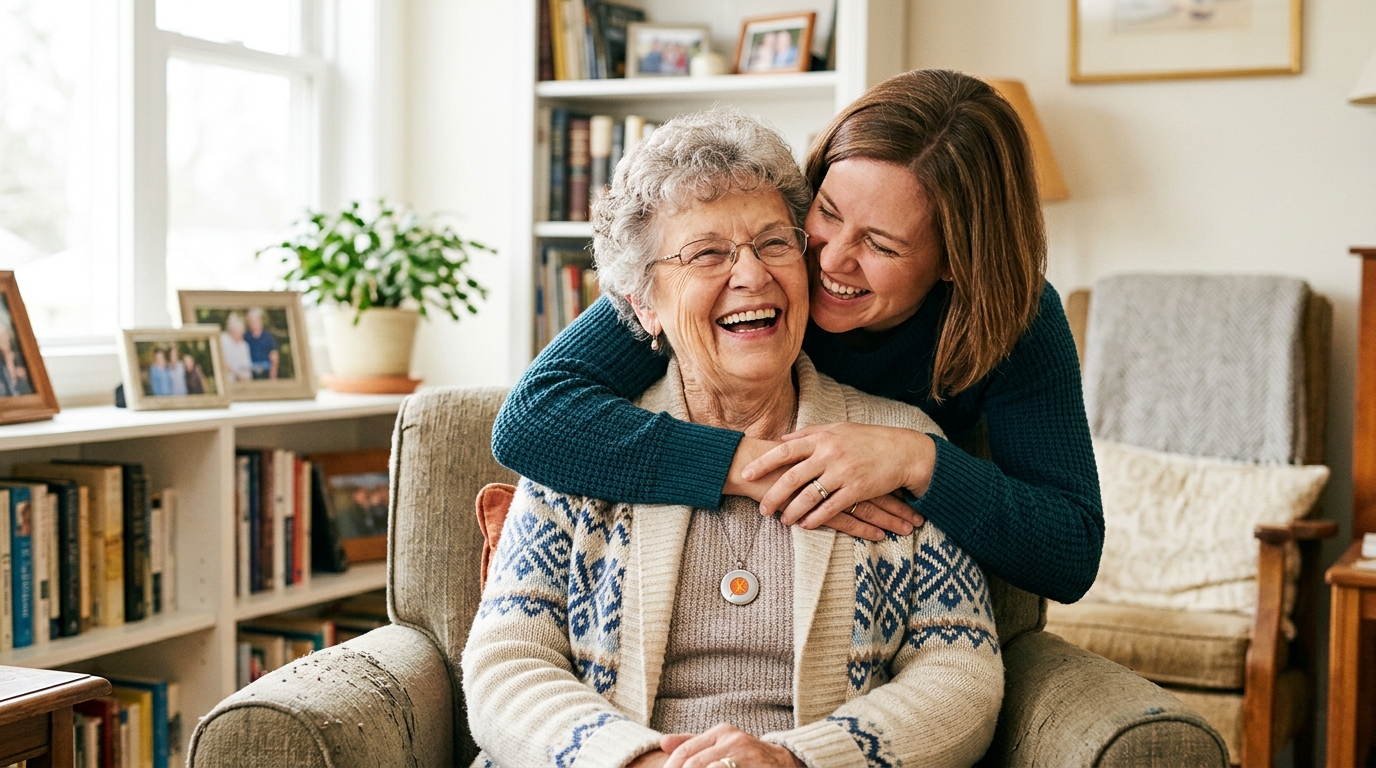
Most parents — even stubborn ones — will do something for their child's emotional wellbeing that they would never do for themselves. This framing lets them be the caregiver. They are not wearing the device because they are weak. They are wearing it because their kid needs reassurance.
2. Frame It as Independence, Not Dependence
"Dad, this is what's going to keep you in your house. The alternative — if something happens and you can't get help — is me pushing you to move in with us or to assisted living. This device is the thing that makes living on your own safe."
Medical alert systems are independence devices. They allow seniors to live alone safely, maintain their routines, and avoid premature moves to institutional care. Frame the device as the tool that preserves their lifestyle, not the symbol that threatens it.
3. Choose the Right Device First
Half the battle is picking a device your parent will not be embarrassed to wear. A medical pendant that screams "I am old and frail" is a hard sell. A smartwatch that looks like any other fitness watch is a much easier one.
The Bay Alarm Medical SOS Smartwatch ($39.95/month) is the most effective device for overcoming resistance. It tells time, counts steps, monitors heart rate, and happens to have an emergency button. Nobody at the grocery store or the golf course knows what it really is.
If a watch does not work, a wristband option (available with the Bay Alarm SOS Home) is less conspicuous than a pendant and sits under a sleeve. A clip-on mobile device like the MobileHelp Solo can go in a pocket and be completely invisible.
4. Use a Trigger Event
The best time to bring up a medical alert is after a near-miss that has already created anxiety. A stumble that was caught before becoming a fall. A dizzy spell that passed. Getting lost while driving. A neighbor's parent who had a serious fall.
After a trigger event, both you and your parent are more receptive. The conversation feels less theoretical and more practical: "After what happened last Tuesday, I think we should look into one of these. Just to be safe."
5. Let Them Choose
Present two or three options and let your parent pick. The Bay Alarm SOS Home, SOS Smartwatch, and Medical Guardian Active Guardian represent three different form factors and price points. Showing options rather than presenting one device gives your parent agency in the decision.
People accept things they choose more readily than things imposed on them. Saying "which one of these do you like best?" is a fundamentally different conversation than "you need to wear this."
6. Start with the 30-Day Trial
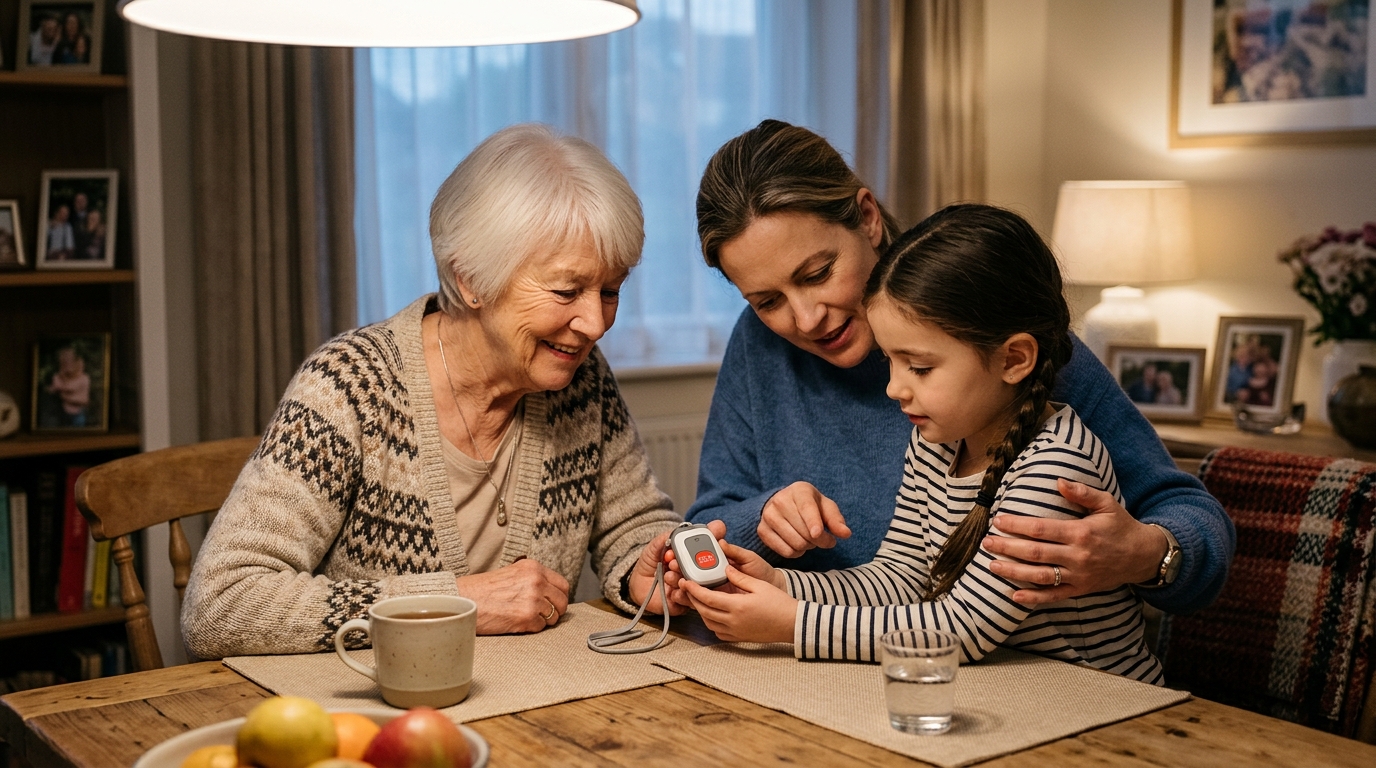
Every system we recommend offers a 30-day money-back guarantee. Use this to lower the stakes.
"Just try it for a month. If you hate it, we send it back and get a full refund. No commitment."
Most parents who agree to a trial end up keeping the device. Once they have worn it for a week, the anxiety about what it represents fades. It becomes just another thing they wear, like glasses or a watch.
7. Get a Doctor Involved
If your parent will not listen to you, they may listen to their doctor. Ask their primary care physician to recommend a medical alert system during the next appointment. A doctor's recommendation carries clinical authority that a child's concern does not.
Many doctors will proactively suggest a medical alert after a fall, a new balance-affecting medication, or a diagnosis that increases fall risk. If the suggestion comes from a medical professional, it feels like healthcare advice rather than a family power struggle.
8. Share a Real Story
Personal stories are more persuasive than statistics. If you know someone whose parent was helped by a medical alert — a neighbor who was found after a fall, a friend's mother who pressed the button during chest pains, a colleague whose father credits the device with saving his life — share that story.
Real examples make the benefit tangible. "Joan from church fell in her bathroom last year. She pressed her button and the ambulance was there in eight minutes. She was home the next day. Without it, her son said she might not have been found until morning."
If They Still Say No
Some parents will refuse despite your best efforts. Respect their autonomy while documenting that you tried.
Consider alternatives that provide partial protection without requiring their buy-in. An Apple Watch or Samsung Galaxy Watch with fall detection (if they already wear a smartwatch). A smartphone app with emergency SOS features. Smart home sensors that alert you to unusual inactivity. More frequent phone or video check-ins.
None of these are as effective as a dedicated medical alert system, but they provide some safety net for parents who will not accept the full solution.
And keep the door open. Say "I understand. The offer stands whenever you change your mind." Many parents who refuse initially come around after a health scare, a fall, or simply more time to process the idea.
The Bottom Line
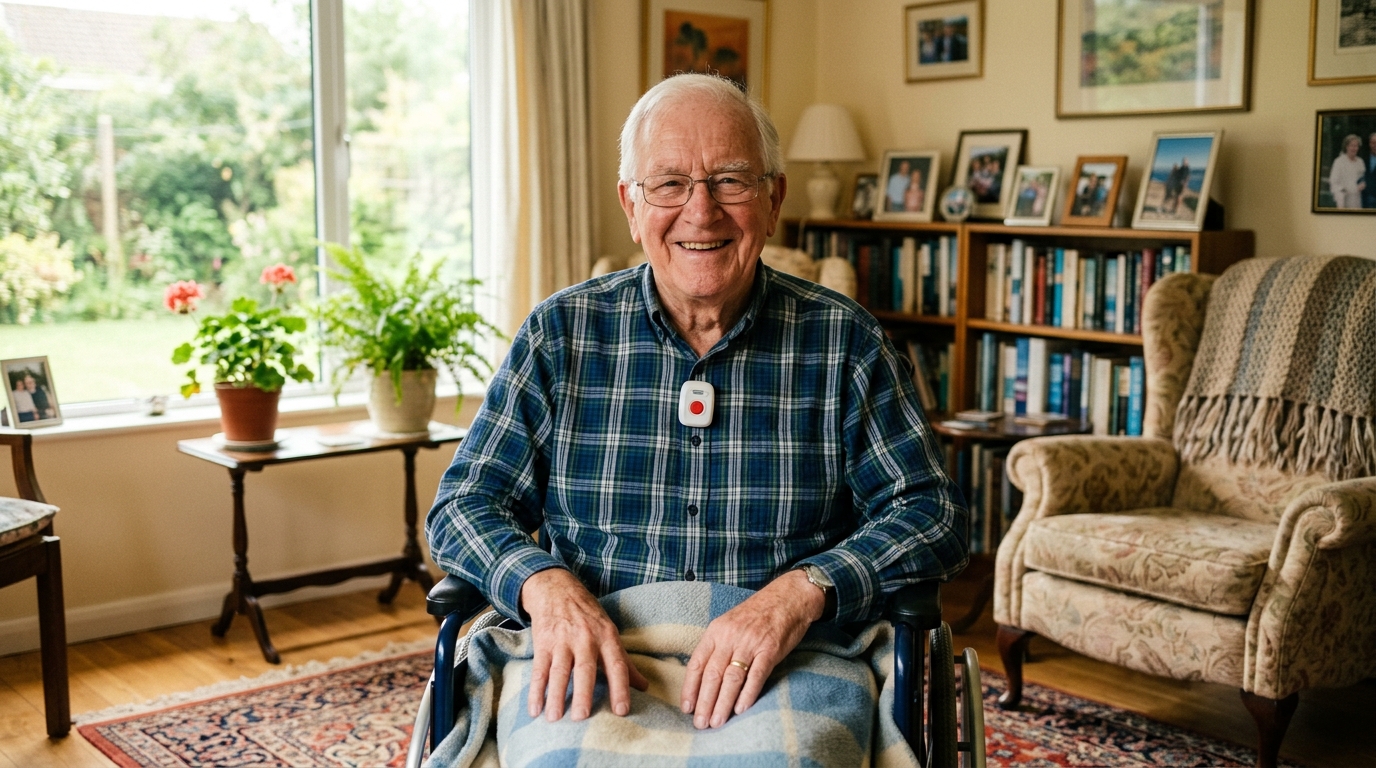
Convincing a parent to wear a medical alert is not a single conversation — it is a process. Lead with empathy, not fear. Make it about your peace of mind, not their limitations. Choose a device that does not look medical. Start with a trial. And be patient.
The goal is not to win an argument. The goal is to protect someone you love in a way they can accept. That sometimes takes time, and that is okay.