Why Dementia Changes Everything About Medical Alerts
A standard medical alert system is built around one assumption: the wearer will press the button when they need help. For seniors with dementia or Alzheimer's disease, that assumption breaks down.
As cognitive function declines, a person with dementia may not remember what the button is for, may not recognize that they are in an emergency, may not understand how to operate the device, may remove the device because they do not remember why they are wearing it, and may wander away from home without realizing they have left.
This does not mean a medical alert system is useless for dementia patients — far from it. It means the features that matter are different. For dementia and Alzheimer's, GPS tracking, geofencing, and automatic fall detection are far more important than the manual help button. The system needs to protect the wearer even when the wearer cannot protect themselves.
Our Top 3 Picks for Dementia and Alzheimer's
1. Medical Guardian Active Guardian — Best Overall for Dementia
$46.95/month + $10/mo fall detection = $56.95/month
Medical Guardian is our top recommendation for dementia patients because of one feature: geofencing through the MyGuardian caregiver app. Geofencing creates a virtual boundary — typically around the home — and sends an immediate push notification to your phone when the wearer crosses that boundary.
For families managing a loved one who wanders, this is the most important safety feature available. You are notified the moment they leave the house, not after they have been gone for an hour. Combined with real-time GPS tracking on a map, you can see exactly where they are and guide emergency responders to their location.
The Active Guardian is a compact mobile GPS device that the wearer carries on their person. For dementia patients, clipping it to a belt or placing it in a secure pocket of their clothing ensures they have it when they leave the house. The device includes two-way voice, GPS, and fall detection.
Why it wins for dementia: Geofencing is the critical differentiator. No other system alerts you the moment wandering begins.
2. Bay Alarm Medical SOS Smartwatch — Best Wearable for Dementia
$39.95/month + $10/mo fall detection = $49.95/month
The SOS Smartwatch solves a key compliance problem for dementia patients: it is worn on the wrist like a regular watch and is less likely to be removed than a pendant or clip-on device. Seniors with dementia often remove unfamiliar objects from their body. A watch feels normal and familiar.
The watch includes GPS tracking, two-way voice, an SOS button, and optional fall detection. Bay Alarm Medical's 31-second response time is the fastest in the industry. Caregivers can view GPS location through the Bay Alarm portal.
The trade-off compared to Medical Guardian is the lack of geofencing. Bay Alarm's portal shows location but does not automatically alert you when the wearer leaves a designated area. You need to check the portal proactively rather than receiving an automatic notification.
Why it works for dementia: Wrist-worn form factor reduces the chance of removal. GPS provides location tracking. Fastest response time if the button is pressed.
3. MobileHelp Smart — Best Battery Life for Unreliable Chargers
$41.95/month + $10/mo fall detection = $51.95/month
Dementia patients routinely forget to charge devices. The MobileHelp Smart's mobile GPS unit lasts up to five days on a single charge — the longest in the industry. That means even if the caregiver misses a day of charging, the device is still operational.
The MobileHelp Smart includes a home base station and mobile GPS device with nationwide coverage. The mobile unit can be clipped to clothing or placed in a pocket. Fall detection is available as a $10 add-on.
Why it works for dementia: Five-day battery life provides a buffer for missed charges, which is a daily reality when caring for someone with cognitive decline.
Key Features for Dementia Patients
GPS Tracking
GPS is the most important feature for a dementia patient's medical alert. When a person wanders, the family needs to locate them quickly. GPS tracking through the medical alert allows the monitoring center to share the wearer's location with emergency responders, and caregiver apps let family members see the location directly.
All three of our recommended systems include GPS. For dementia specifically, the GPS function is more critical than the emergency button itself.
Geofencing
Geofencing is GPS tracking with an intelligent trigger. Instead of checking the map manually, the system alerts you when the wearer crosses a pre-defined boundary. Medical Guardian's MyGuardian app is currently the only major medical alert caregiver app that offers true geofencing with push notifications.
For caregivers of dementia patients, geofencing provides the earliest possible warning of wandering. Early intervention means the person is found closer to home, in a familiar area, and before they become disoriented or endangered.
Automatic Fall Detection
Seniors with dementia are at two to three times higher risk of falling compared to seniors without cognitive impairment. Balance problems, spatial disorientation, medication side effects, and impaired judgment all contribute to elevated fall risk.
Automatic fall detection is critical because a dementia patient who falls may not understand what happened, may not know to press the help button, and may not be able to communicate their situation. The device handles the emergency response automatically.
Secure Wearability
The device must be something the wearer cannot easily remove or will not want to remove. A watch is ideal because it feels familiar and purposeful. A pendant may feel foreign and get taken off. A clip-on device may fall off or be discarded.
For patients in later stages of dementia, consider devices that can be secured to clothing with a carabiner or pin rather than relying on the wearer to keep them on voluntarily.
Practical Tips for Dementia Caregivers
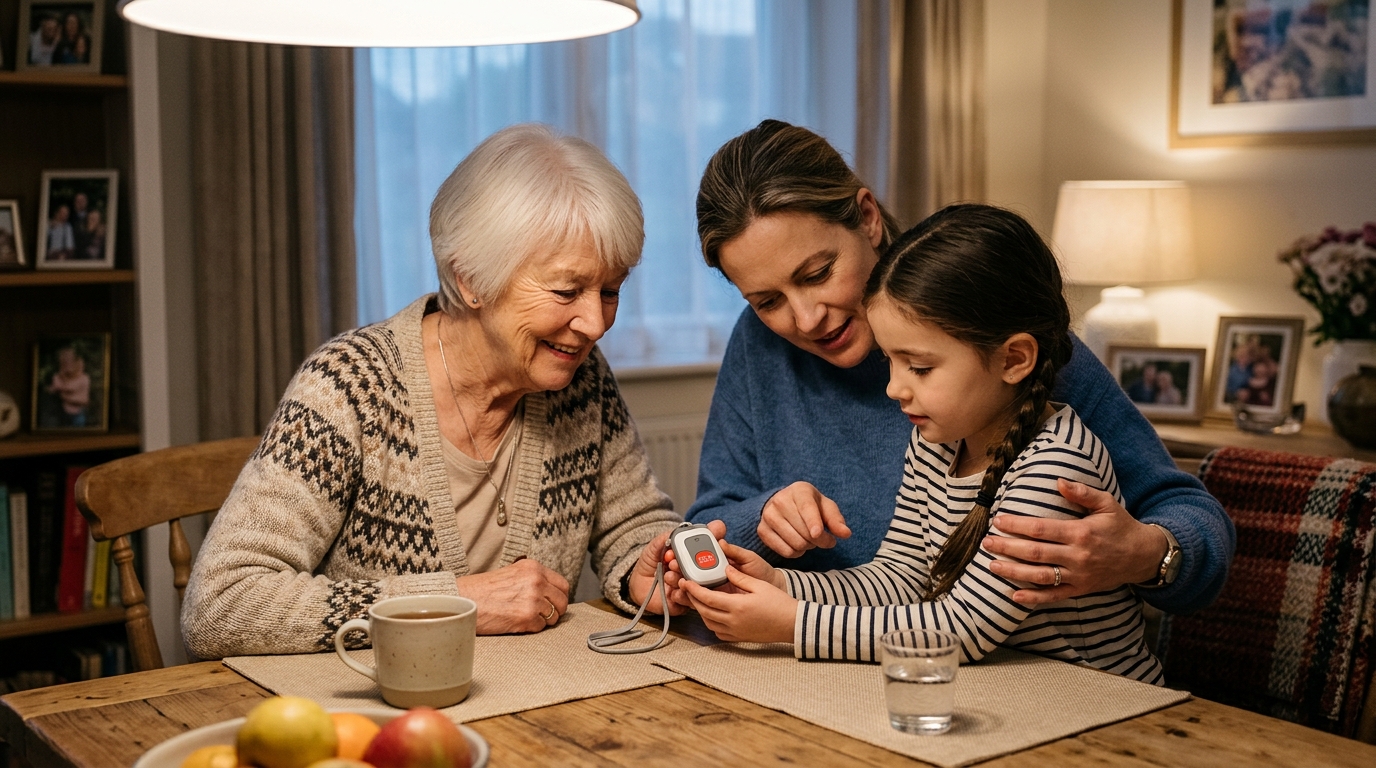
Introduce the device early. In the early stages of dementia, the person can still learn to associate the device with their daily routine. Getting them comfortable wearing it before they lose the ability to form new habits is much easier than introducing it later.
Make it part of the morning routine. Pair putting on the device with another daily habit — brushing teeth, getting dressed, having coffee. Attach the action to something they already do automatically.
Charge at a consistent time. Charge the device during a predictable downtime, such as while the wearer is sleeping or bathing. Remove the need for the wearer to remember charging.
Label the device. A simple label that says "KEEP ON — SAFETY WATCH" can help in early stages when the person might question what the device is but can still read and follow instructions.
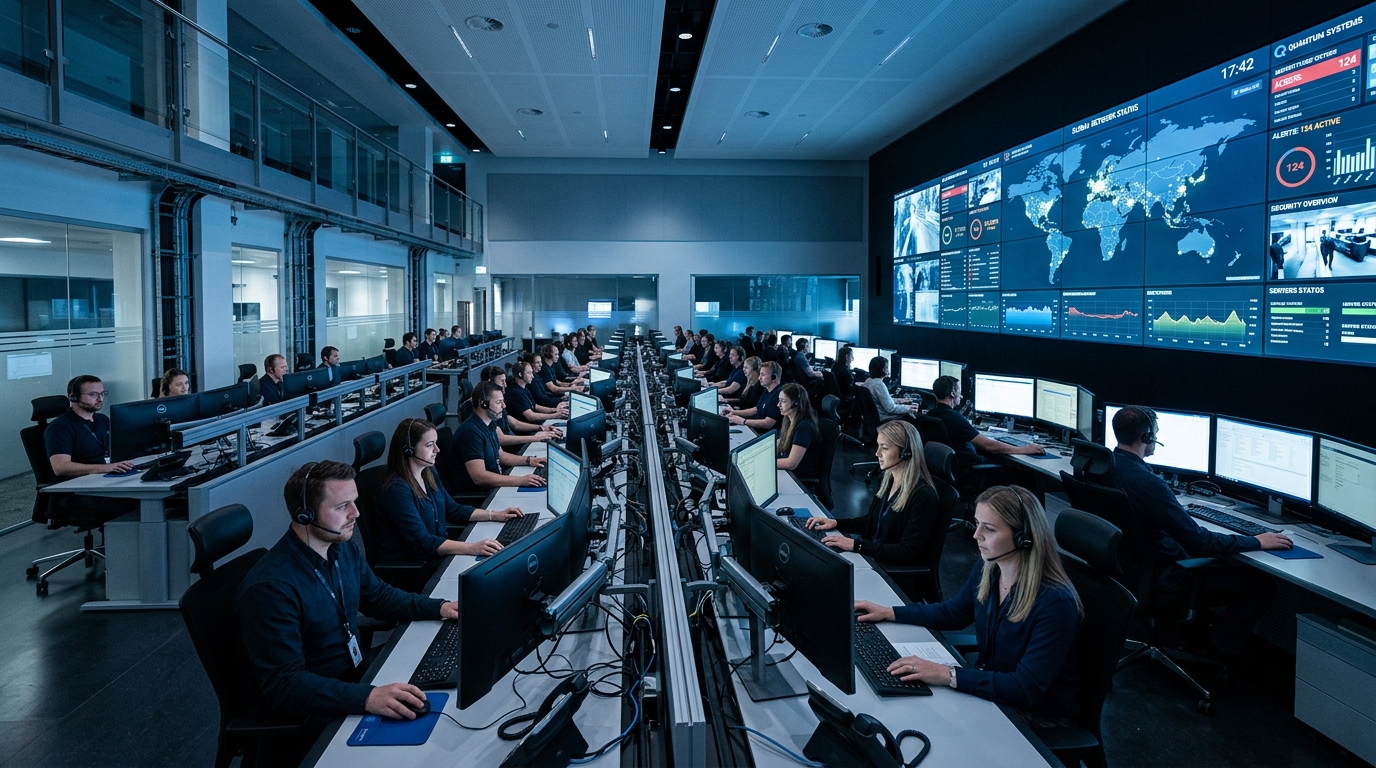
Tell the monitoring center. Inform the medical alert provider that the wearer has dementia. The monitoring center can note this on the account so operators know to expect communication difficulties and to dispatch help even if the wearer cannot respond coherently.
When a Medical Alert Is Not Enough
A medical alert system is one component of a dementia safety plan, not the entire plan. As the disease progresses, additional measures become necessary.
Door alarms and sensors that alert caregivers when exterior doors open, especially at night. Stove auto-shutoff devices that prevent kitchen fires. Medication management systems since dementia patients should not manage their own medications. Structured daily routines that reduce confusion and anxiety. Professional home care assistance as the disease advances.
There comes a point in dementia progression where living at home is no longer safe, even with a medical alert and caregiver support. A medical alert system can extend the period of safe independent living, but it cannot replace full-time supervised care when the disease reaches advanced stages.
The Bottom Line
For seniors with dementia or Alzheimer's, the right medical alert system provides a critical safety net during the stage of the disease when they can still live at home but need watchful protection. GPS tracking, geofencing, fall detection, and a secure wearable form factor are the features that matter most.
Medical Guardian with the MyGuardian app is our top pick for its geofencing capability — the ability to be alerted the instant wandering begins is invaluable. Bay Alarm Medical's SOS Smartwatch is the best wearable option that resists removal. MobileHelp Smart provides the longest battery life for situations where charging is inconsistent.
Whichever system you choose, introduce it early, make it routine, and inform the monitoring center about the diagnosis. These steps maximize the chances that the device will be worn, working, and effective when it matters most.