LifeFone vs Bay Alarm Medical: Which Should You Choose?
LifeFone and Bay Alarm Medical both rank among the best-value medical alert systems in 2026. They share a lot — no contracts, 30-day guarantees, affordable pricing, and reliable monitoring. But they differ in ways that matter, especially when it comes to couples coverage, fall detection pricing, response speed, and equipment design.
We have tested both systems side by side. Here is a direct comparison across every category.
Pricing Comparison
| Feature | LifeFone | Bay Alarm Medical | |---|---|---| | Cheapest Plan | $24.95/mo (At-Home Landline) | $27.95/mo (SOS Home) | | Home + Mobile Plan | $39.95/mo (At-Home & On-the-Go) | $34.95/mo (SOS Micro) | | Premium Plan | $49.95/mo (VIP with Daily Check-In) | $39.95/mo (SOS Smartwatch) | | Fall Detection | Included on $39.95 plan; $5/mo add-on on others | $10/mo add-on | | Spouse Coverage | Free on all plans | Not available (separate plan required) | | Contract | None | None | | Money-Back Guarantee | 30 days | 30 days |
Winner: LifeFone for value, Bay Alarm Medical for simplicity. LifeFone's free spouse coverage and included fall detection make it the cheaper option for many families. A couple with fall detection at LifeFone pays $39.95 per month total. The same coverage at Bay Alarm would cost approximately $75 to $90 per month for two separate plans with fall detection add-ons.
For a single person who does not need fall detection, Bay Alarm Medical's $27.95 SOS Home edges out LifeFone's $29.95 cellular plan.
Equipment
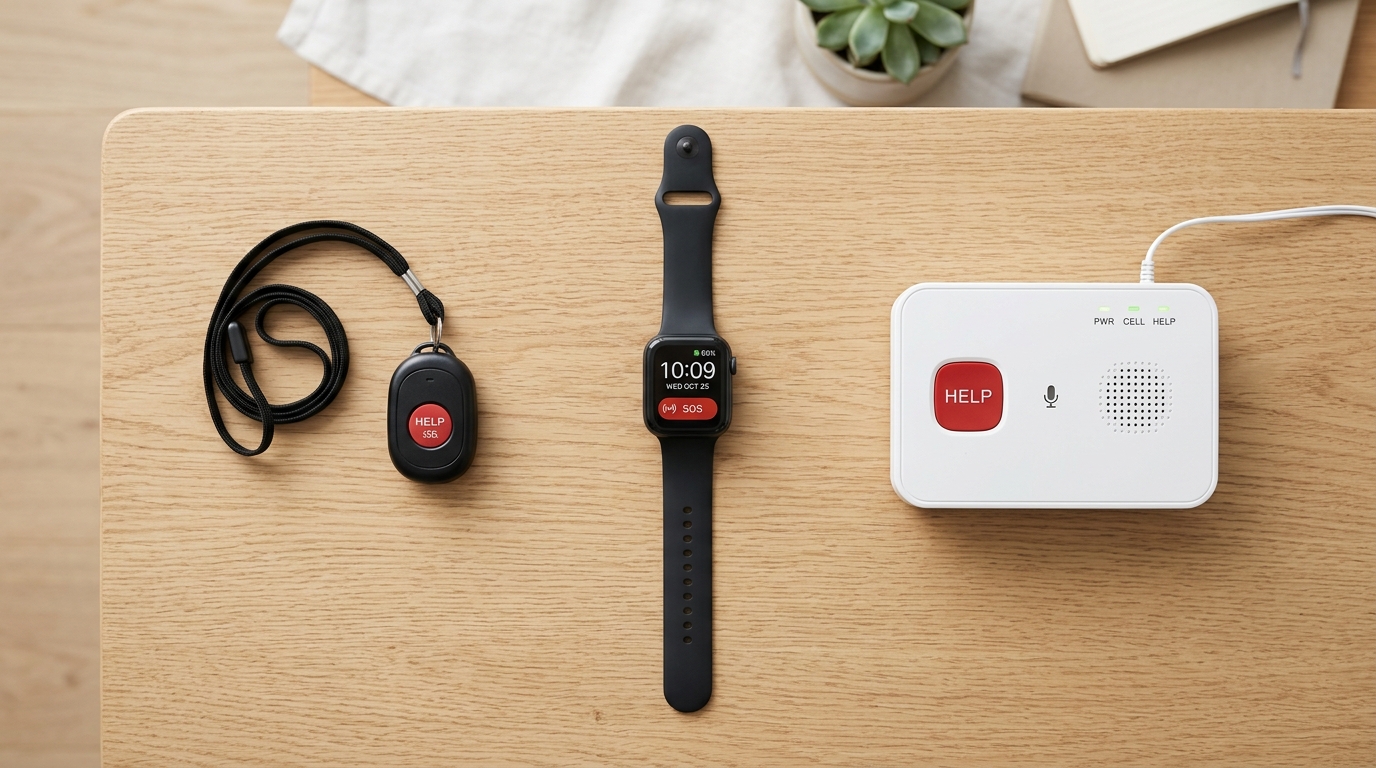
Bay Alarm Medical has the more modern, refined equipment lineup. The SOS Home, SOS Micro, and SOS Smartwatch are all well-designed and feel premium for the price point. The SOS Smartwatch in particular is a standout — it looks like a regular fitness watch, which appeals to seniors who resist wearing medical-looking devices.
LifeFone's equipment is functional and reliable but less polished in design. The help buttons and mobile GPS units get the job done without the style factor. LifeFone has not introduced a smartwatch option, which is a notable gap in the lineup.
Winner: Bay Alarm Medical. The SOS Smartwatch alone gives Bay Alarm a significant edge in equipment design and variety.
Fall Detection
This is one of the most meaningful differences between the two systems.
LifeFone includes automatic fall detection at no extra cost on its At-Home & On-the-Go plan ($39.95/month) and VIP plan ($49.95/month). On lower-tier plans, fall detection is a $5 per month add-on — still half the cost of most competitors.
Bay Alarm Medical charges $10 per month for fall detection on the SOS Micro and SOS Smartwatch. Fall detection is not available on the SOS Home base station pendant.
Detection accuracy is comparable. Both systems reliably catch hard, sudden falls and struggle with the same edge cases. The hardware difference is minimal.
Winner: LifeFone. Saving $10 per month on fall detection adds up to $120 per year. For a couple, the savings are even greater. LifeFone makes fall detection accessible without a financial penalty.
Response Time
Bay Alarm Medical averages a 31-second response time — the fastest published average in the industry. LifeFone averages 35 to 40 seconds. Both are within acceptable ranges and faster than the industry average of 40 to 60 seconds.
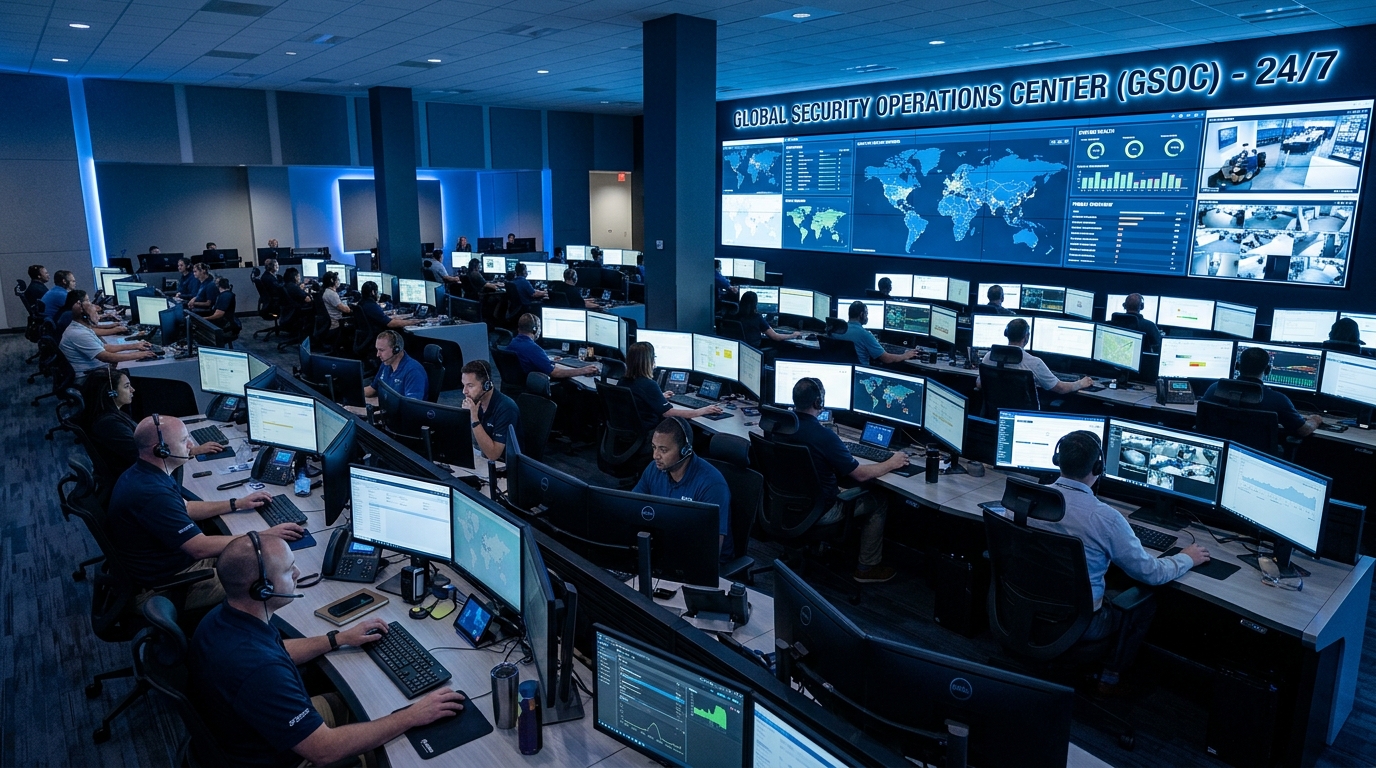
The 5-to-10-second gap is noticeable in side-by-side testing but unlikely to be meaningful in most real-world emergencies. Both companies operate UL-listed monitoring centers with US-based operators.
Winner: Bay Alarm Medical. The response time lead is consistent and measurable.
Caregiver Features
Neither company offers the caregiver app experience that Medical Guardian provides. Bay Alarm Medical has a web portal with GPS location viewing, device status, and emergency contact management. LifeFone offers a similar portal with an activity assurance feature that notifies caregivers if the device has not been used within a set time window.
Both portals are functional but basic. Neither offers real-time GPS tracking maps, geofencing, or activity timelines on a dedicated mobile app.
Winner: Tie. Both are adequate for basic caregiver needs. Families who want a robust caregiver app should look at Medical Guardian instead.
Unique Strengths
LifeFone has two features no other major provider matches. Free spouse coverage means a couple can share one plan, cutting per-person costs in half. The VIP plan's daily check-in call provides a daily welfare check for seniors who live alone, offering proactive reassurance rather than reactive emergency response.
Bay Alarm Medical's unique strength is the SOS Smartwatch. No other provider at this price point offers a device that doubles as a real watch with step counting and heart rate monitoring while remaining discreet. Bay Alarm also benefits from 75-plus years of security industry experience through its parent company.
Who Should Choose LifeFone?
LifeFone is the better choice if you are covering a couple and want both spouses protected on one plan, you want fall detection included without paying extra, budget is the primary concern and you want the most features per dollar, or your loved one lives alone and would benefit from daily check-in calls.
The ideal LifeFone customer is a couple on a fixed income who both need fall detection coverage and do not need the flashiest equipment.
Who Should Choose Bay Alarm Medical?
Bay Alarm Medical is the better choice if you want the fastest possible emergency response, your loved one wants a discreet smartwatch instead of a pendant, device design and aesthetics matter, or you want the simplest product lineup without decision overload.
The ideal Bay Alarm Medical customer is a single senior or a family that prioritizes speed and simplicity above all else.

The Verdict
Both are excellent systems. The decision comes down to your family's specific situation.
Choose LifeFone if you need to cover two people or want fall detection included. The savings are substantial and the monitoring is reliable.
Choose Bay Alarm Medical if response speed and equipment design are your priorities. The 31-second response time and the SOS Smartwatch are genuine competitive advantages.
For single seniors on a tight budget who just need home coverage, it is nearly a coin flip. Bay Alarm's SOS Home at $27.95 and LifeFone's At-Home Cellular at $29.95 are both exceptional values. We give a slight edge to Bay Alarm for the faster response time, but LifeFone's $5 fall detection add-on makes it the better deal if fall protection is needed.