The Reality of Caregiving from a Distance
Roughly 11 percent of the estimated 53 million caregivers in the United States are long-distance caregivers — people who help manage or coordinate care for a loved one who lives more than an hour away. If you are one of them, you know the particular anxiety that comes with distance. You cannot drop by to check if the stove was left on. You cannot see if your parent looks thinner than last month. You cannot get there in five minutes if something goes wrong.
Long-distance caregiving is not about being present for every need. It is about building systems and support networks that work when you are not there. This guide covers the practical tools and strategies that make remote caregiving manageable and effective.
Start With a Medical Alert System
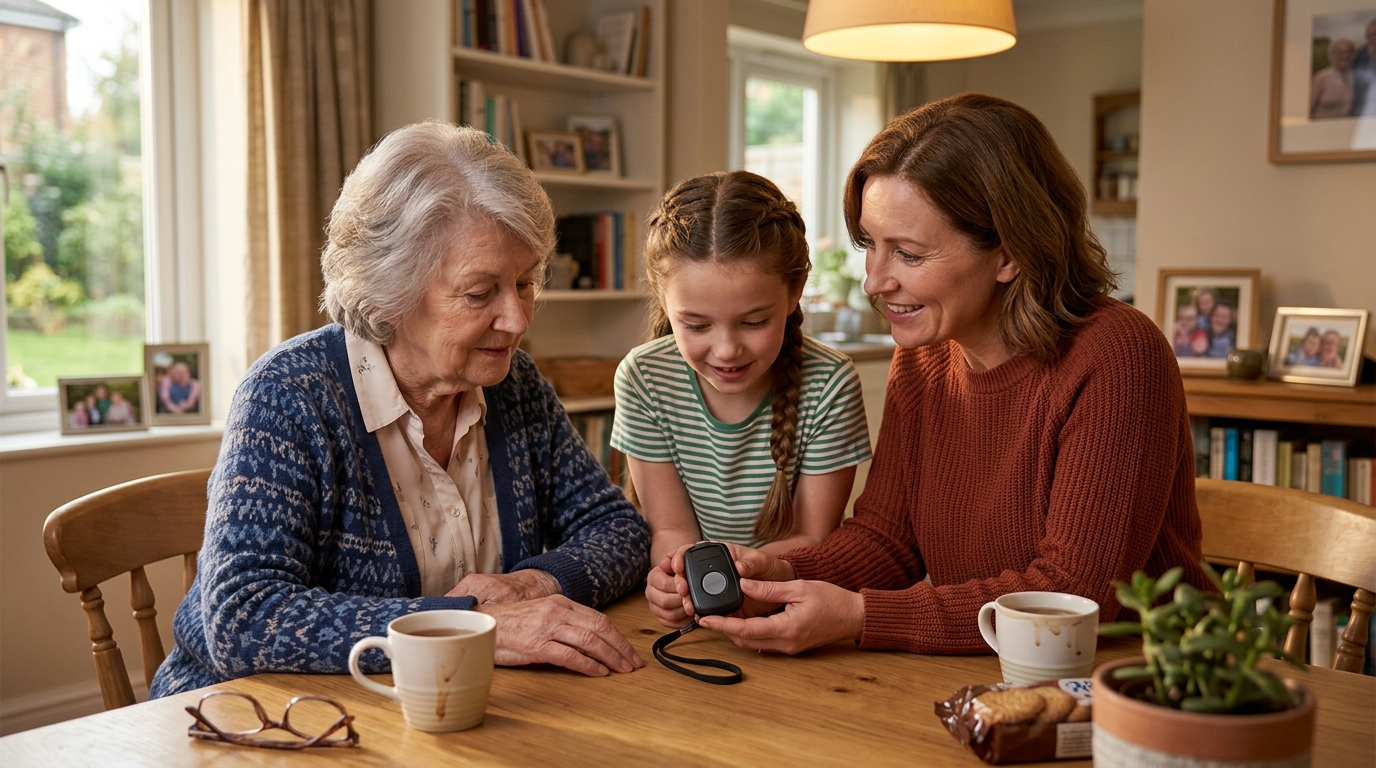
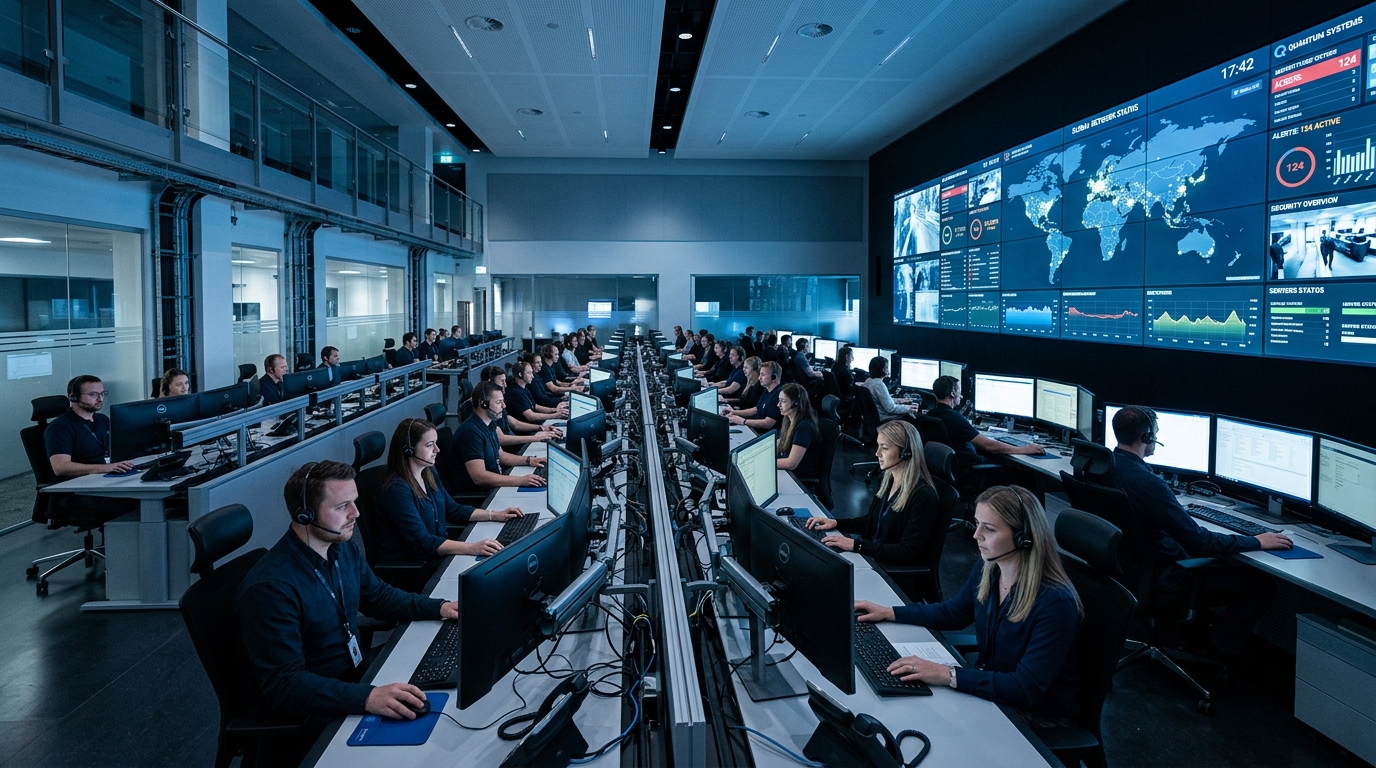
A medical alert system is the single most important safety investment for a long-distance caregiver. It guarantees that if your parent has an emergency — a fall, a health crisis, an intrusion — they can reach professional help with one button press, 24 hours a day, regardless of whether you are five miles or five hundred miles away.
For long-distance caregivers specifically, the caregiver app matters as much as the device itself. The right app gives you remote visibility into your parent's safety every day, not just during emergencies.
Our Top Pick: Medical Guardian with MyGuardian App
Medical Guardian paired with the MyGuardian caregiver app is our top recommendation for long-distance families. The app provides real-time GPS location tracking so you can see where your parent is at any time, geofencing alerts that notify you if your parent leaves or arrives at a location (home, doctor's office, grocery store), activity timeline showing that the device is being worn and used, instant push notifications when the help button is pressed or a fall is detected, multi-caregiver support so siblings and other family members can share monitoring, and full account management from your phone.
The Active Guardian device ($46.95/month) provides home and mobile coverage with two-way voice and GPS. Combined with the app, it creates a connected safety ecosystem that bridges the distance between you and your parent.
Budget Alternative: Bay Alarm Medical
If the Medical Guardian price point is too high, Bay Alarm Medical provides excellent protection at $27.95 to $39.95 per month with the fastest response time in the industry (31 seconds). The caregiver portal is more basic — no geofencing or real-time GPS map — but you receive emergency notifications and can check device status and GPS location for the mobile devices.
For families where budget matters and the primary need is reliable emergency response rather than daily activity monitoring, Bay Alarm Medical delivers the fundamentals at a lower cost.
Build a Local Support Network
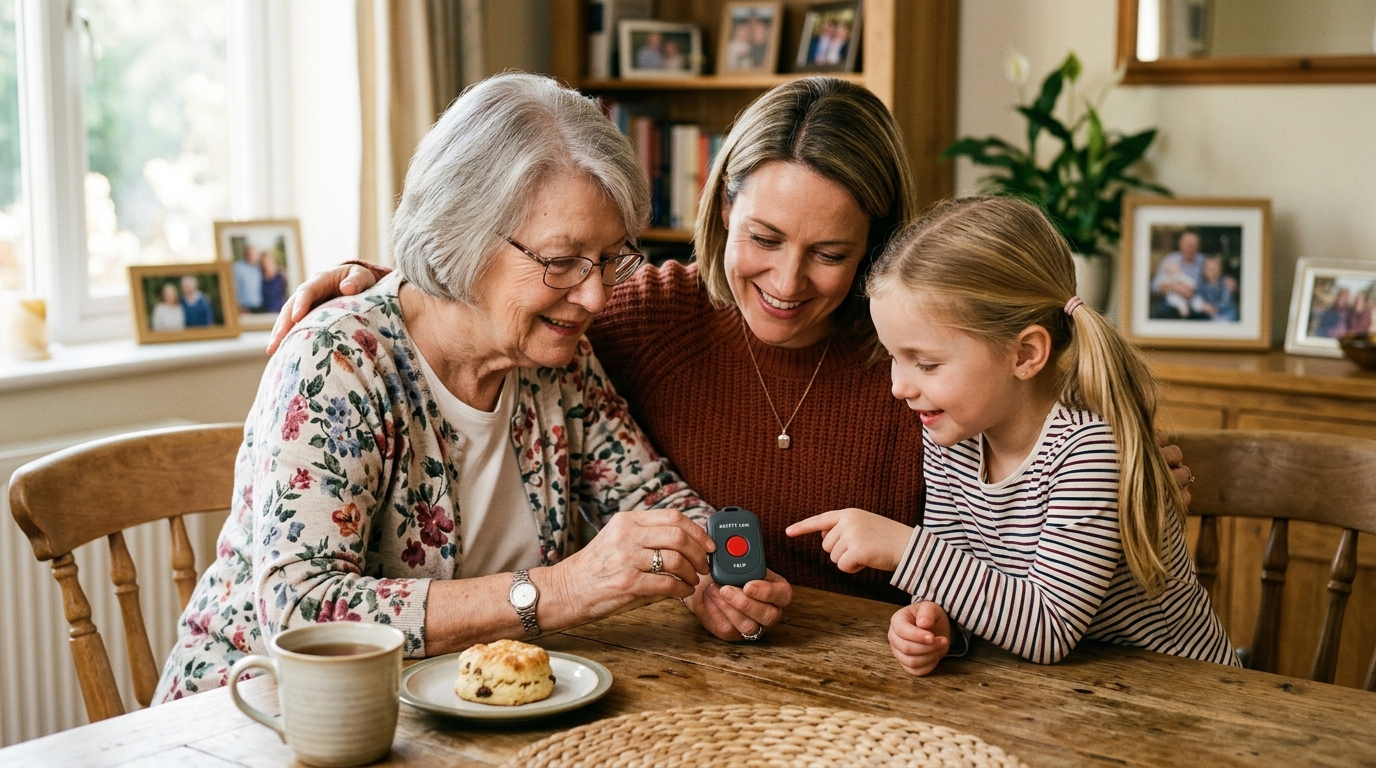
No technology replaces having trusted people near your parent. A local support network is your on-the-ground backup when you cannot be there.
Identify Key People
Start by listing every person who is geographically close to your parent and willing to help. This typically includes neighbors — especially those who see your parent regularly or live on the same street, local friends from church, social groups, or community activities, nearby family members even if they are not primary caregivers, and local professionals such as a primary care doctor, pharmacist, or home health aide.
Approach each person individually. Be specific about what you are asking. "Would you be willing to check on Mom if I call you because she isn't answering her phone?" is more effective than a vague request for help.
Create an Emergency Contact Sheet
Put together a one-page document with your parent's key information and share it with your local support contacts. Include your parent's full name, address, and date of birth, their primary care physician's name and number, current medications (keep this updated), your contact information and that of other family caregivers, the medical alert system provider and account number, insurance information, and any relevant medical conditions or allergies.
Keep a copy in your parent's home — on the refrigerator is traditional for a reason — and a digital copy accessible to everyone on the contact list.
Establish Regular Touchpoints
Ask a nearby contact to check on your parent periodically. Even a brief knock on the door twice a week can catch problems early — a messy home that is usually tidy, mail piling up, signs of a fall, or changes in appearance that suggest declining health.
Formalize this if possible. Some neighbors are happy to take on a regular check-in as part of their routine. Others may be more comfortable with an as-needed arrangement where you call them if you cannot reach your parent.
Technology That Helps
Beyond medical alert systems, several categories of technology can give long-distance caregivers more visibility and peace of mind.
Video Calling
Regular video calls are more valuable than phone calls for remote caregiving. Seeing your parent lets you observe how they look, whether the house is tidy, how they are moving, and whether they seem alert and engaged. Small visual cues often reveal changes that voice alone would miss.
Set up a simple video calling option on whatever device your parent is comfortable with. A tablet on a stand is often the easiest — large screen, simple interface, and it sits on the counter ready to go. Alexa Show, Google Nest Hub, and similar smart displays make video calling as simple as saying "answer."
Smart Home Sensors
Motion sensors, door sensors, and smart plugs can provide passive monitoring without being intrusive. A motion sensor in the kitchen confirms that your parent is up and moving each morning. A door sensor on the front door tells you when they leave and return. A smart plug on the coffee maker confirms their morning routine.
These are supplements, not replacements for a medical alert system. They provide ambient awareness of daily routines and flag unusual patterns — like no motion in the kitchen by 10 AM when your parent is usually up by 7.
Medication Management
Missed or double-dosed medications are a common problem for seniors living alone. Automatic pill dispensers that pre-sort medications and alert the user (and caregiver) when a dose is due can prevent this. Some pharmacies offer blister-pack medication packaging that simplifies adherence.
If your parent takes multiple medications, a medication management solution reduces one of the most common sources of health emergencies in older adults.
Communication Strategies
How you communicate with your parent matters as much as how often.
Daily Check-Ins
A brief daily phone or video call establishes a routine that both of you can rely on. Keep it light and consistent — same time each day if possible. The goal is not interrogation; it is connection. Five minutes of normal conversation can reveal more about how your parent is doing than a formal health check.
If your parent does not answer, wait a reasonable time and try again. If a second call goes unanswered, reach out to a local contact. Having a protocol for unanswered calls prevents panic while ensuring timely response when something is actually wrong.
Weekly Deeper Conversations
Once a week, have a longer conversation that covers practical matters: upcoming doctor's appointments, medication refills needed, home maintenance issues, social activities, how they are feeling physically and emotionally. Keep a simple log of these conversations so you can track changes over time.
Involve Siblings and Family
If you have siblings or other family members, coordinate. Share caregiving responsibilities and keep everyone informed. A shared group chat, a simple shared document, or a caregiving coordination app can prevent the common problem where one sibling carries the entire burden while others remain uninvolved.
Plan for Emergencies
The medical alert system handles the immediate emergency. But long-distance caregivers need to plan for what happens after the initial response.
Know the Local Hospital
Identify which hospital your parent would most likely be taken to in an emergency. Save the main number and the emergency department number in your phone. Knowing the facility in advance saves critical time when you get the call.
Keep Important Documents Accessible
Ensure you have access to your parent's health insurance card, Medicare card, advance directive and living will, power of attorney documents, and a current medication list. Store digital copies securely and know where the originals are in your parent's home.
Have a Travel Plan
Know how you would get to your parent quickly if needed. If you fly, know the nearest airport and typical flight times. If you drive, know the route and estimated time. Consider keeping a go-bag ready with essentials so you can leave quickly.
Many airlines offer bereavement or emergency fares. Having a credit card with travel flexibility can eliminate one source of stress during a crisis.
Managing the Emotional Weight
Long-distance caregiving carries a unique emotional burden. The guilt of not being physically present is pervasive and corrosive if left unaddressed.
Recognize that distance does not make you a bad caregiver. Coordination, advocacy, financial management, research, and emotional support are all forms of caregiving that do not require proximity. The systems you build — the medical alert, the local network, the regular check-ins — are acts of care.
If the guilt or anxiety is affecting your daily life, consider a caregiver support group. The National Alliance for Caregiving, AARP, and local Area Agencies on Aging all offer resources specifically for long-distance caregivers.
The Bottom Line
Long-distance caregiving works when you have the right systems in place. A medical alert system with a caregiver app provides 24/7 safety and daily visibility. A local support network provides on-the-ground backup. Regular communication keeps you connected to your parent's daily life. And emergency planning ensures you are not starting from scratch when a crisis happens.
Start with the medical alert system — it is the foundation everything else builds on. Medical Guardian with the MyGuardian app gives long-distance caregivers the most complete remote monitoring experience. Bay Alarm Medical provides the fastest response at a lower price. Either way, you will sleep better knowing that help is always one button press away, no matter how many miles separate you.